Healthspan is the Real Goal. Lifespan is a Vanity Metric.
Lifespan is the number on your death certificate. Healthspan is the number of years you can think clearly, move freely, recover from a setback, and live independently. The two are related, but they are not the same. Confusing them is the most expensive mistake in modern preventive health.


Women, on average, outlive men by roughly five years. It sounds like a win. Look closer, and the picture changes. Those extra years are not extra years of vitality. They are extra years lived in poorer health. More chronic disease. More physical limitation. More cognitive decline. More dependency. Globally, women live more years with disability than men, even though they live longer overall.

So the story we tell about female longevity has a quiet inversion buried inside it. Women aren’t living longer in any way worth celebrating. They’re surviving longer.
That distinction is the entire premise of this work. We’ve made longevity a number on a dashboard. The number that actually matters is rarely measured.
Globally, women live more years with disability than men, even though they live longer overall.
Healthspan, defined plainly
Lifespan is the number on your death certificate. Healthspan is the number of years you can think clearly, move freely, recover from a setback, and live independently. The two are related, but they are not the same. Confusing them is the most expensive mistake in modern preventive health.

Modern medicine has been built around lifespan. Statins, antihypertensives, oncology pipelines, all designed to delay death, and they’ve worked. Life expectancy has climbed for decades. But healthspan has not kept pace. We’ve extended the runway without making it more livable.
The lived consequence: people are spending the last decade or two of their lives managing disease rather than enjoying the life the disease management bought them. That is a poor return on a long life.
The wellness industry has adopted the language. The products tell a different story.
The wellness industry has absorbed the healthspan idea faster than almost anyone. Walk into any longevity clinic, scroll through any supplement brand, and you’ll see the vocabulary everywhere: healthspan, vitality, biological age, resilience. And to some degree, that’s a genuine shift. More people are asking better questions about how they want to age, not just whether they can delay dying. That’s worth something.
But spend more time with what’s actually being sold and a familiar shape emerges. The biological-age test that tells you you’re ageing faster than you should and then offers a protocol to fix it. The NAD drip that promises cellular renewal. The full-body MRI marketed as proactive care. The supplement stack engineered for optimal longevity. Each product arrives wrapped in the language of function and quality of life. Each one, underneath, is still making a version of the same old promise: intervene correctly, and you’ll get more time.
This isn’t to say these tools are worthless. Some of them, used in the right context, have genuine value. Diagnostics can surface things worth knowing. Certain interventions may support a body that’s already doing the foundational work. The question isn’t whether they can play a role. It’s whether they’re being layered onto something solid or sold as a substitute for it.
And that distinction matters, because the research keeps returning to the same unglamorous list. Muscle mass carried into your 60s. Stable blood sugar through your 50s. Consistent, restorative sleep. Sustained cognitive engagement across decades. These are the inputs that most reliably determine how you function at 70 or 80. No supplement stack replaces them. No diagnostic shortcuts the work of building them. But for someone who has those foundations in place, the more sophisticated interventions start to make a different kind of sense.
The four levers that compound
There are four levers that move the healthspan curve across decades. They are not new. They are not exciting. They are the ones that work. And for women, each one is shaped by a biology that the research has only recently started to take seriously.
Muscle. Skeletal muscle is the largest endocrine organ in the body and the most underrated insurance policy against disability in old age. Grip strength alone predicts all-cause mortality more reliably than systolic blood pressure. Muscle is not a vanity asset. It is the difference between an independent 75-year-old and a fragile one. For women, the stakes are compounded: declining estrogen through perimenopause accelerates muscle loss at precisely the point when most women aren’t yet thinking about it. The window to build meaningful reserves is earlier than almost anyone is told.
Metabolic health. Insulin resistance precedes type 2 diabetes by ten to twenty years and quietly underwrites most of the chronic disease burden: cardiovascular, cognitive, oncological. A normal fasting glucose is not metabolic health. It is the absence of overt disease. That is a different, and far less informative, thing. Women face an additional layer of complexity: insulin sensitivity shifts across the menstrual cycle, and the metabolic transition through perimenopause can be rapid and dramatic. Much of it goes undetected because the reference ranges used in standard testing were built largely on male data.
Sleep. Not bedtime hygiene. Sleep architecture. The deep and REM stages where memory consolidates, the glymphatic system clears metabolic waste, and hormonal rhythms reset. Chronic sleep disruption across decades is a risk factor for cognitive decline, metabolic dysfunction, and immune dysregulation. Women are disproportionately affected: hormonal fluctuations across the menstrual cycle, pregnancy, and perimenopause all disrupt sleep architecture in ways that rarely appear on a standard lab panel until the downstream effects are already established. None of it is taken seriously early enough.
Cognitive reserve. The brain’s tolerance for damage. Built through decades of complex thinking, learning, social engagement, and physical movement. It is what explains why two people with identical brain pathology can have radically different functional outcomes. Women develop Alzheimer’s at higher rates than men, and the reasons go beyond longevity alone.
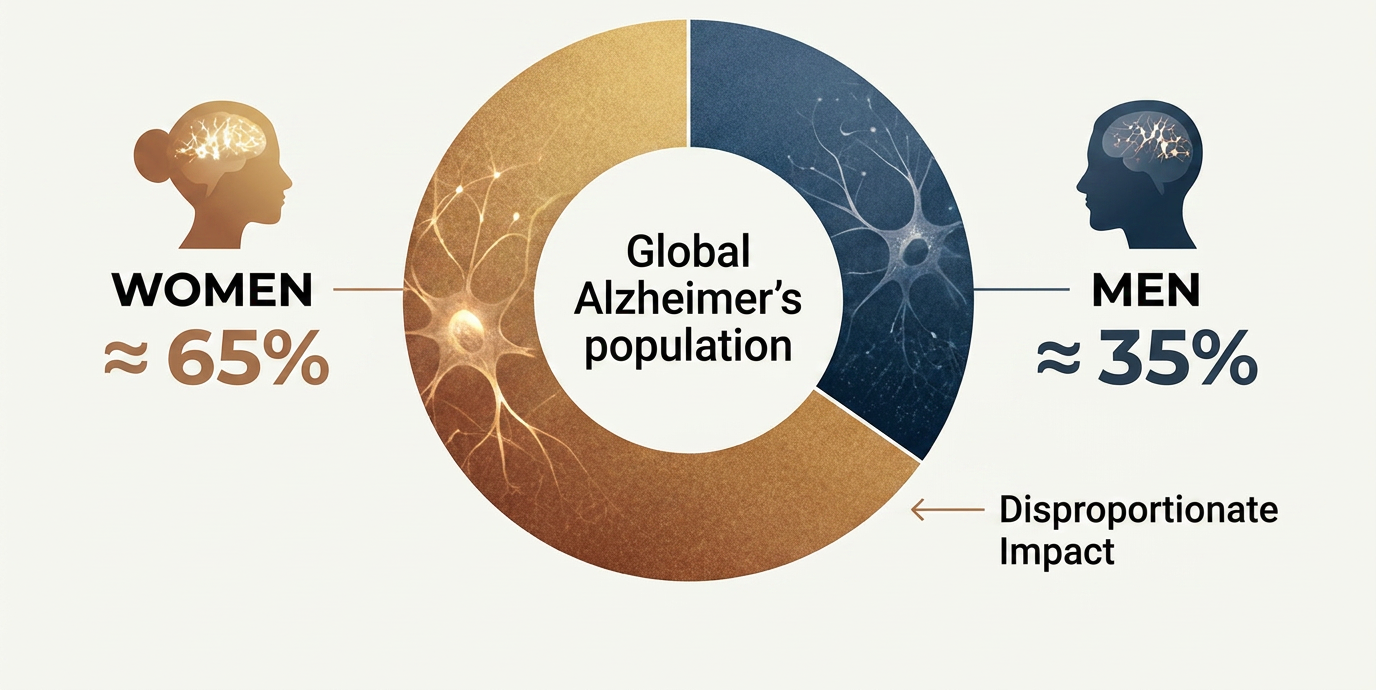
The perimenopause window is now understood to be a critical period for brain health, one that was largely absent from the research until recently. Cognitive reserve is built before you need it. It cannot be installed in your 70s.

These four are the foundations. Every other intervention, modality, tracker, protocol, peptide, sits on top of them, or it sits on nothing.
What this series is
This is the first piece in a series. Each one works through a different part of the same argument: how the foundations actually function, what midlife does to them, where women have been specifically underserved by the research and the industry, and where the wellness industry has confused expense with optimisation.
The series is evidence-based, applied, and written for adults whose time is scarce and whose decisions compound. It will not pretend the literature is settled where it isn’t, most visibly on perimenopausal hormone therapy, where the conversation has reset itself more than once in the past two years. It will not chase the modality of the week. It will not flatten biology into a protocol.
Living longer is the easy goal. Living well to the end is the harder, more honest one. Most of us haven't been given the tools to optimise for it.
That’s the work.
Get started on your health journey
Book a health coach consultation today
One conversation is all it takes to get clarity on your health.Book a complimentary 30-minute session with a health coach and find out what a personalised plan at Matter could look like for you.
Continue Reading
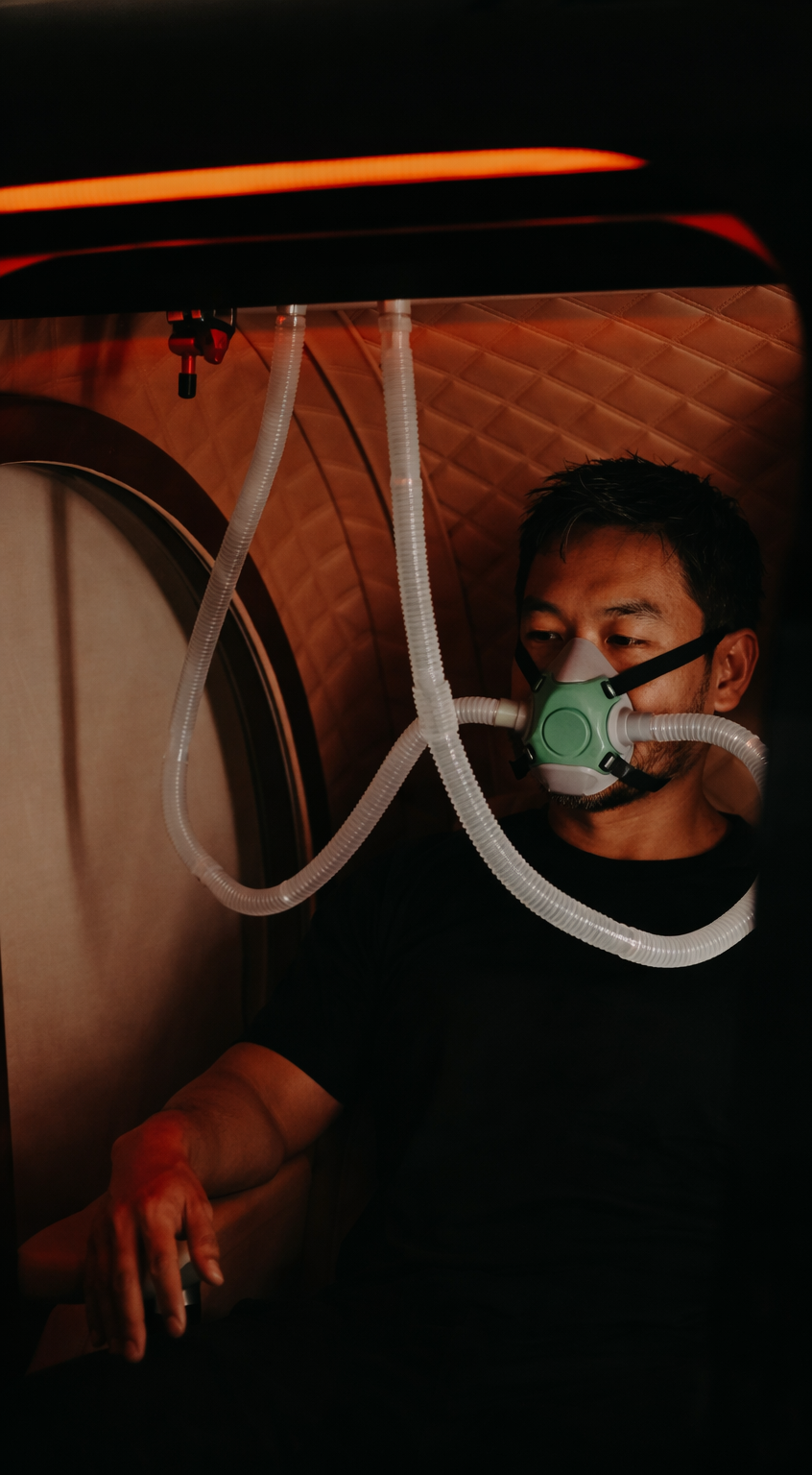
The Science of Healing: How Hyperbaric Oxygen Therapy Unlocks Your Body’s Potential.
This article explores the science behind Hyperbaric Oxygen Therapy (HBOT), a unique tool that bypasses the natural limits of red blood cells to drive massive amounts of oxygen into the body. It explains how increased atmospheric pressure utilizes Henry's Law to dissolve oxygen directly into blood plasma and other body fluids, allowing it to reach damaged or blocked tissues that normal circulation cannot. By addressing hypoxia (low oxygen levels), a hallmark of almost every chronic illness, HBOT provides the specific cellular environment necessary for the body to boost energy production, reduce systemic inflammation, and trigger its own regenerative healing processes.

Why the Order of Your Recovery Routine Matters More Than the Modalities Themselves
Stop treating your recovery like a buffet. Recovery modalities aren’t interchangeable, they’re directional. The specific sequence of your session determines whether your nervous system leaves regulated or more stressed than when you started. Discover how to align your recovery with your nervous system state, inflammatory load, and hormonal phase to ensure your body is truly adapting and repairing, rather than just surviving the session.